
How War Affects the Software Industry?
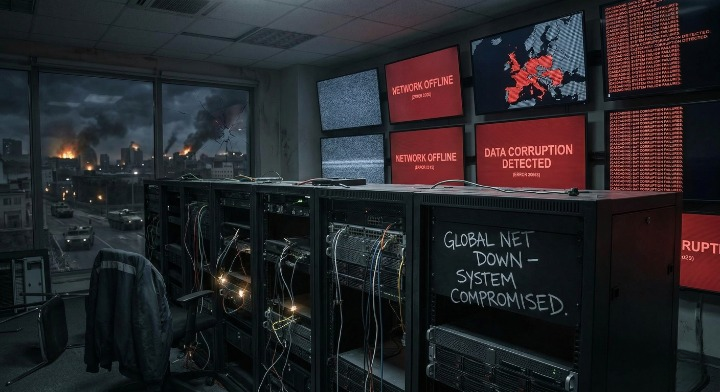
War is not only fought on the battlefield—it also extends into the digital world. In today’s interconnected economy, the software industry is deeply influenced by geopolitical conflicts. From disrupted operations to increased cybersecurity risks, war creates significant challenges while also reshaping priorities across the technology landscape.
Below is a refined and professional overview of how war impacts the software industry.
Disruption of Global Operations
War can severely disrupt business continuity, especially for companies operating across borders. Software development teams often rely on global collaboration, and conflicts can interrupt the following:
- Communication channels
- Outsourcing operations
- Project timelines
Regions affected by war may experience power outages, internet shutdowns, or infrastructure damage, making it difficult for teams to maintain productivity.
Increased Cybersecurity Threats
One of the most critical impacts of war is the rise in cyber warfare. Governments and organizations face:
- Increased hacking attempts
- Ransomware attacks
- Data breaches
As a result, businesses must invest more in cybersecurity solutions, making security a top priority rather than an afterthought.
Talent Displacement and Workforce Challenges
War often forces skilled professionals to relocate, leading to:
- Talent shortages in affected regions
- Interruptions in ongoing projects
- Increased hiring costs globally
While remote work has helped mitigate some challenges, sudden displacement still affects team stability and efficiency.
Supply Chain Disruptions
The software industry depends on hardware infrastructure such as servers, chips, and networking equipment. War can disrupt supply chains by:
- Delaying hardware shipments
- Increasing costs of components
- Limiting access to critical technologies
This impacts everything from cloud services to software deployment timelines.
Economic Uncertainty and Budget Constraints
During times of conflict, businesses often reduce spending due to economic instability. This leads to:
- Delayed IT investments
- Reduced software development budgets
- Slower adoption of new technologies
Startups and smaller companies are particularly vulnerable during such periods.
Shift Toward Defense and Cyber Technologies
While war creates challenges, it also drives innovation in specific sectors. Governments and organizations increase investments in:
- Cybersecurity solutions
- Artificial intelligence for defense
- Surveillance and data analytics tools
This shift can accelerate technological advancements but often redirects focus away from commercial innovation.
Data Privacy and Regulatory Changes
War often leads to stricter regulations around data usage and digital communication. Companies may face:
- New compliance requirements
- Data localization laws
- Restrictions on cross-border data transfer
Adapting to these changes requires additional resources and strategic planning.
Remote Work and Digital Transformation Acceleration
Interestingly, war can accelerate digital transformation. Organizations adopt:
- Cloud-based tools
- Remote collaboration platforms
- Automation technologies
These changes help businesses remain operational even in uncertain environments.
Conclusion
War has a profound and multi-dimensional impact on the software industry. While it introduces disruptions, risks, and economic challenges, it also pushes organizations toward innovation, resilience, and digital transformation.
For businesses, the key to navigating such uncertainty lies in:
- Strengthening cybersecurity
- Building flexible and remote-friendly teams
- Diversifying supply chains
- Staying adaptable to regulatory changes
By taking proactive measures, companies can not only survive but also evolve in the face of global conflicts.